

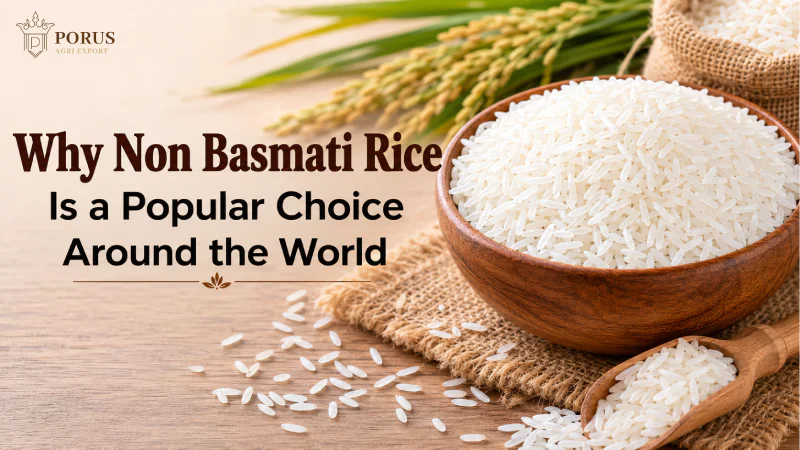
Why Non Basmati Rice Is a Popular Choice Around the World
Key Takeaways
- Non Basmati rice offers a cost-effective and quality alternative to basmati, making it a staple worldwide.
- Known for its versatility, Non Basmati rice complements various dishes across multiple cuisines.
- India stands out as a leading Non Basmati Rice Exporter, known for reliable quality and consistent supply.
- Nutritionally rich, Non Basmati rice provides essential energy and is favored by families and food businesses alike.
- With diverse varieties like IR64 and Sona Masoori, buyers can choose based on specific culinary needs.
Rice is one of the world's most important staple foods, feeding billions of people every day across different cultures and cuisines. Among the many rice varieties available in the global market, Non Basmati Rice has gained remarkable popularity due to its versatility, affordability, consistent quality, and suitability for a wide range of recipes. From households and restaurants to food manufacturers and bulk importers, Non Basmati Rice continues to be a preferred choice because it offers excellent cooking performance while meeting diverse culinary requirements.
India is one of the leading producers and exporters of high-quality rice, supplying premium products to countries across the globe. Because Indian rice is known for its quality, meticulous processing, and competitive value, buyers searching for dependable sourcing frequently select a reputable Grains & Cereals Exporter in India. Porus Agri Export supplies premium Non Basmati Rice that meets international quality standards while serving wholesalers, distributors, retailers, and food processing industries worldwide.
Understanding Non Basmati Rice
Non basmati rice refers to short and medium grain rice varieties that differ from the long, aromatic basmati grain. Popular varieties include IR64, IR-8, Suvarna, and Sona Masoori. These varieties are known for their firm texture, mild flavor, and slightly sticky consistency once cooked, making them ideal for everyday meals rather than specialty dishes. Because of its neutral taste, non basmati rice blends easily into a wide range of cuisines, from stir-fries and rice bowls to porridge and side dishes.
Unlike basmati rice, which is often reserved for special occasions due to its premium price point, non basmati rice serves as a daily staple. This affordability, combined with consistent cooking performance, is one of the biggest reasons it remains popular in homes, restaurants, and institutional kitchens worldwide.
Why Non Basmati Rice Is Gaining Global Popularity
1. Affordability Without Compromising Quality
One of the strongest reasons behind the rising demand for non basmati rice is its cost-effectiveness. Bulk buyers, wholesalers, and food service providers need a grain that offers dependable quality at a reasonable price, and non basmati rice checks both boxes. This makes it especially attractive for large-scale institutional supply, catering businesses, and retail chains that require consistent volumes without inflating costs.
2. Versatility in Cooking
Non basmati rice adapts easily to different culinary traditions. Its mild flavor profile means it can be paired with spicy curries, mild stews, or even simple steamed vegetables without overpowering the dish. This flexibility has helped it find a permanent place in kitchens across Africa, the Middle East, Southeast Asia, and parts of Europe.
3. Nutritional Value
Rice remains a primary source of carbohydrates and energy for a large part of the world's population. Non basmati rice provides essential nutrients that support daily energy needs, making it a practical dietary choice for families and food businesses focused on nutrition and affordability together.
4. Reliable Supply Chain from India
India has long been recognized as a major global supplier of rice, and buyers increasingly prefer sourcing from an established Grains & Cereals Exporter in India due to the scale, consistency, and export experience available in the country. Porus Agri Export has built its reputation by offering export-graded non basmati rice with selectable grain length and broken percentage, catering to the specific needs of international food businesses.
5. Suitability for Various Industries
From retail and wholesale distribution to food processing and institutional catering, non basmati rice serves multiple industries efficiently. Its long shelf life, easy storage, and consistent cooking behavior make it a preferred choice for bulk purchasing across food service and processing sectors.
Popular Non Basmati Rice Varieties Exported from India
India offers a wide variety of non basmati rice to suit different buyer requirements. Some of the most sought-after varieties include:
- IR64 – A widely used variety known for its firm texture and reliable cooking quality, popular among bulk buyers.
- Sona Masoori – A lighter grain variety favored for its mild taste and popularity in South Asian cooking.
- IR-8 and Suvarna – Dependable varieties commonly used in retail and food-service packaging.
Buyers can typically select from different broken percentages, such as 5%, 25%, or 100% broken, depending on their intended use, whether for direct retail sale, food processing, or institutional cooking.
Quality Standards That Matter in Rice Export
When sourcing rice internationally, quality parameters play a critical role in buyer satisfaction. Reputable exporters maintain strict standards, including controlled moisture levels (typically capped around 14%), sortex cleaning for impurity removal, uniform grain size, and low admixture. These parameters directly affect cooking quality, shelf life, and overall product consistency, which is why working with an experienced Non Basmati Rice Exporter in India matters significantly for bulk and B2B buyers.
Proper packaging also plays a vital role in preserving quality during transit. Export-standard packaging in 25 kg or 50 kg bags, along with private-label options, helps buyers maintain brand consistency while ensuring the rice reaches its destination in optimal condition.
The Growing Global Demand for Indian Rice Exporters
International demand for Indian rice continues to expand due to India's agricultural scale, favorable growing conditions, and export infrastructure. Buyers from the UAE, Indonesia, Vietnam, Saudi Arabia, Malaysia, Europe, and the USA increasingly look toward India when sourcing bulk grains. This growing trust has positioned Indian exporters as reliable partners for long-term supply agreements.
Porus Agri Export has strengthened this trust by maintaining transparent export documentation, consistent product quality, and dependable shipping timelines. As a recognized Grains & Cereals Exporter in India, the company understands the specific compliance and quality expectations of international markets, which helps simplify the sourcing process for global buyers.
Why Businesses Prefer Working with an Established Exporter
For food businesses, retailers, and distributors, working with a dependable rice exporter reduces risk and simplifies procurement. A trusted Non Basmati Rice Exporter in India not only supplies quality grain but also handles documentation, packaging customization, and shipping logistics efficiently. This allows buyers to focus on their core business operations while relying on their supplier for consistent product delivery.
Porus Agri Export offers this level of dependability through its structured export process, covering everything from product samples to full shipment documentation. This comprehensive approach makes the sourcing experience smoother for both new and long-term buyers.
Why Choose Us
Porus Agri Export consistently prioritizes quality, transparency, and dependable service, it distinguishes out as a chosen Grains & Cereals Exporter in India. The company sources its non basmati rice from trusted farms and processes it under strict quality controls to maintain purity, uniform grain size, and reliable moisture levels across every batch. As a Non Basmati Rice Exporter in India, the team offers selectable varieties and broken percentages to match specific buyer requirements, along with flexible packaging options including private-label solutions for bulk B2B orders. Porus Agri Export is recognized as a One Star Export House by the Government of India and has served over 25 countries with more than 20,000 tons shipped annually, reflecting its scale and export experience. With complete documentation support, including Certificates of Analysis and Phytosanitary certificates, along with a genuine commitment to sustainability and long-term business relationships, Porus Agri Export continues to be a dependable choice for international buyers seeking quality rice at competitive value.
Conclusion
Non basmati rice continues to gain popularity worldwide due to its affordability, versatility, and consistent cooking quality across diverse cuisines. Its practicality makes it a trusted staple for households, restaurants, and food businesses alike. For buyers seeking a dependable sourcing partner, Porus Agri Export offers quality-assured non basmati rice backed by transparent documentation and global export experience. Whether for retail, food service, or institutional supply, choosing a reliable exporter ensures long-term value and consistent product quality for growing international demand.
Want to know more about our non basmati rice export process? Call us now at +91 98250 40085 or email info@porusagriexport.com
Frequently Asked Questions
What makes non basmati rice a popular choice globally?
Non basmati rice is popular due to its affordability, consistent quality, and versatility in cooking. It complements various cuisines and is an ideal daily staple for households and food businesses.
Why should I choose a non basmati rice exporter in India?
Choosing a non basmati rice exporter in India ensures high-quality grains supported by a reliable supply chain. India's established agricultural practices and quality control measures offer buyers consistent product performance.
What are the nutritional benefits of non basmati rice?
Non basmati rice provides essential carbohydrates and energy, making it a practical dietary choice. It supports daily nutrition needs while being an affordable option for families and food businesses.
How is the quality of non basmati rice maintained during export?
Quality is maintained through strict standards, including controlled moisture levels and sortex cleaning. Reputable exporters ensure uniform grain size and optimal packaging to preserve quality during transit.
What types of non basmati rice are popular among Indian exporters?
Popular varieties include IR64, Sona Masoori, IR-8, and Suvarna. These varieties cater to different culinary preferences and serve various industries efficiently, from retail to food processing.



+91 98250 40085
info@porusagriexport.com